For New Jersey Assemblymen Chigozie Onyema, leadership didn’t start in a government office. It started in a classroom where something didn’t sit right.
“I saw a few things wrong in the community,” Onyema said, reflecting on his early years growing up between Newark and Maplewood.
In sixth grade, he noticed a troubling pattern: Black students were disproportionately placed in lower academic tracks. “Something felt wrong to me that children that looked like me were not in the same position as me.” That moment stayed with him. It shaped not only his understanding of inequality, but also his purpose.
Onyema’s journey into politics wasn’t smooth or immediate.
He first ran for office at just 18 years old, and lost. He also faced academic setbacks, including not getting into college right after high school.
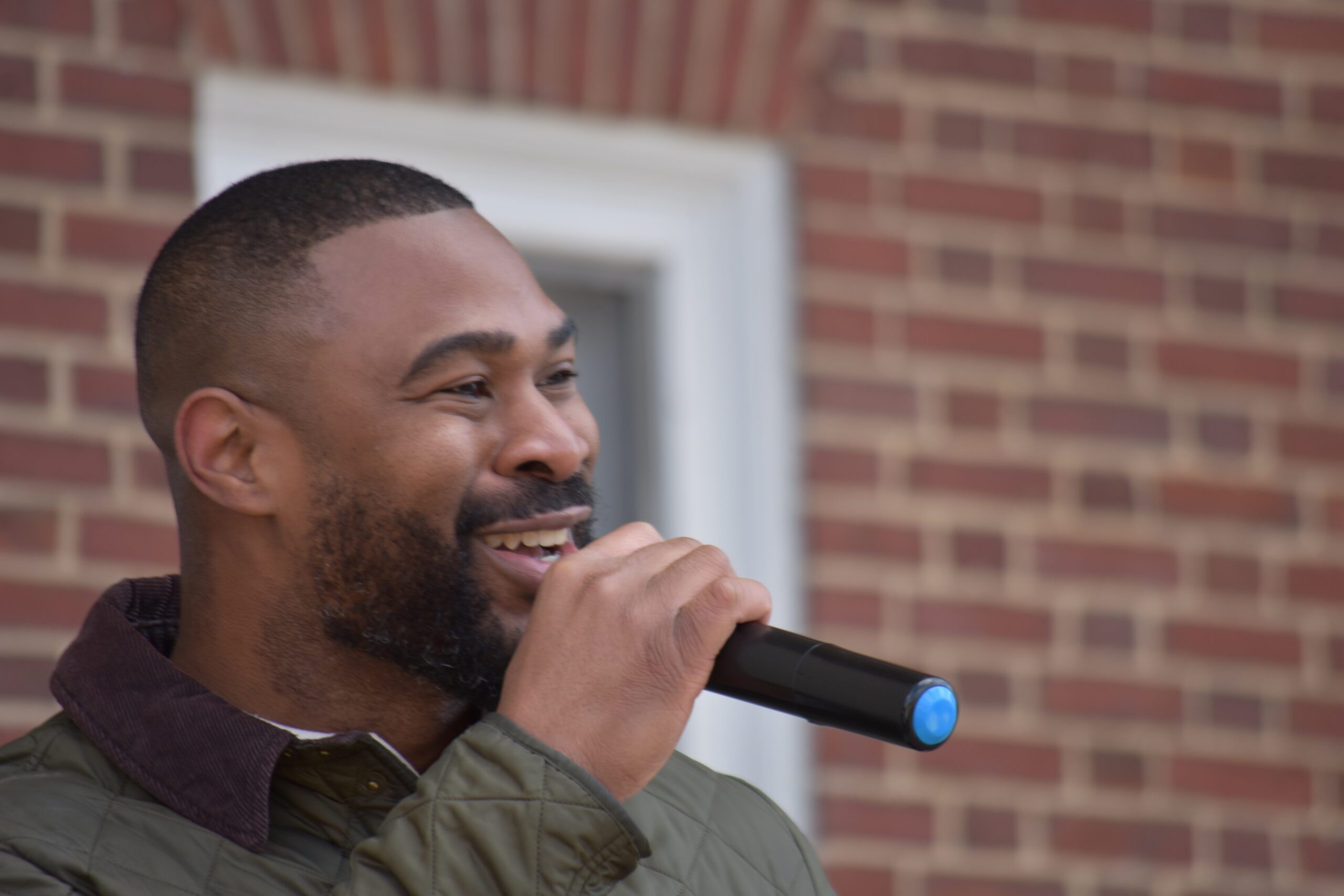
Chigozie Onyema at Maplewood Town Hall, March 28, 2026. Photo by Max Fraidstern.
“Sometimes people assume that your journey is an elevator,” he said. “But the truth is that we took the stairs.”
Instead of stopping, he adjusted. He credits persistence and self-belief as key factors in eventually finding his path.
“Not figuring things out right away has kind of always been part of my journey, but then eventually getting it right.” This mindset now defines how he approaches leadership — with patience, realism, and a focus on growth. Before politics, Onyema’s first dream was to become a teacher. That influence is still clear today.
“I think the most important work in this world is education,” he said. He credits educators and mentors in Maplewood for shaping who he is.
“Throughout my life I had people who loved me. The way the teachers kind of poured into me shaped the way I’m willing to show up for people.”
That philosophy carries into his leadership style: meet people where they are, invest in them, and don’t assume their current situation defines their future. “Accept where they are,” he said, “but don’t always believe that where they are right now is where they are always going to be.”
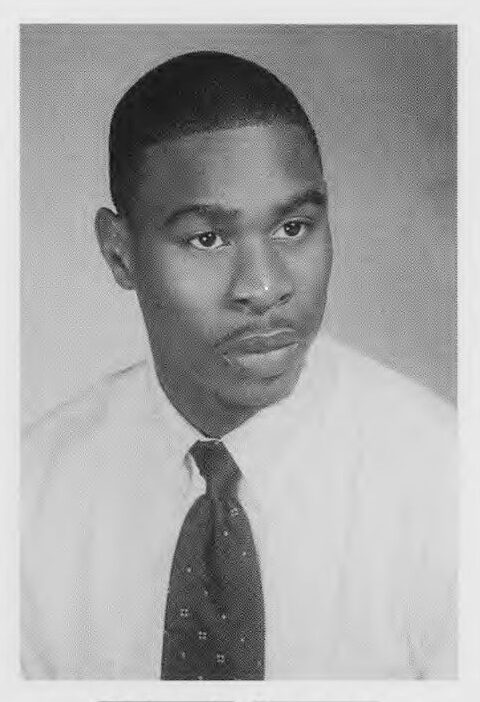
Chigozie Onyema in the 2004 Columbia High School yearbook.
Now serving in the New Jersey General Assembly, Onyema is focused on economic justice, especially the growing gap between wealth and opportunity.
One issue he’s actively addressing is how companies like food and delivery apps use personal data to adjust prices. According to Onyema, platforms may analyze information from social media or other sources to charge different users different prices.
“If I have children and they know I have children, they might set a different price for me than you who doesn’t,” he said. To him, that isn’t just a tech issue, it’s a fairness issue. “What I want to do is create a democracy not just politically… but economically as well.”
Despite the title, Onyema is quick to point out that leadership is far more demanding than it appears.
“Anytime you seek out leadership there is a lot of unseen labor,” he said. “There are a lot of choices people don’t see getting made.” He describes leadership as emotionally demanding, requiring attention and energy. “You kind of pour into people a lot. A lot of emotional labor comes with being a leader.”
On top of that, there’s the pressure of constant decision-making and collaboration.
“Politics is a team sport,” he added. “The way I lead, I try to lead in a way where I can bring people with me.”
It’s a mindset rooted in his own experience, one where support, patience, and belief from others made a difference. Onyema said he’s now trying to replicate that impact on a larger scale.
Taking his ethos in Trenton, Onyema said he remains focused on issues like wealth and equality, especially when power and resources are not shared fairly.
“We have[groups of] people who get smaller and smaller, but the amount of wealth they control gets larger and larger,” Onyema said. “And that means there is less for the rest of us.”
Elise Veal is an 11th grade student at Columbia High School and is working with Village Green as part of a grant from the New Jersey Civic Information Consortium.